
FEATURE
Linocut
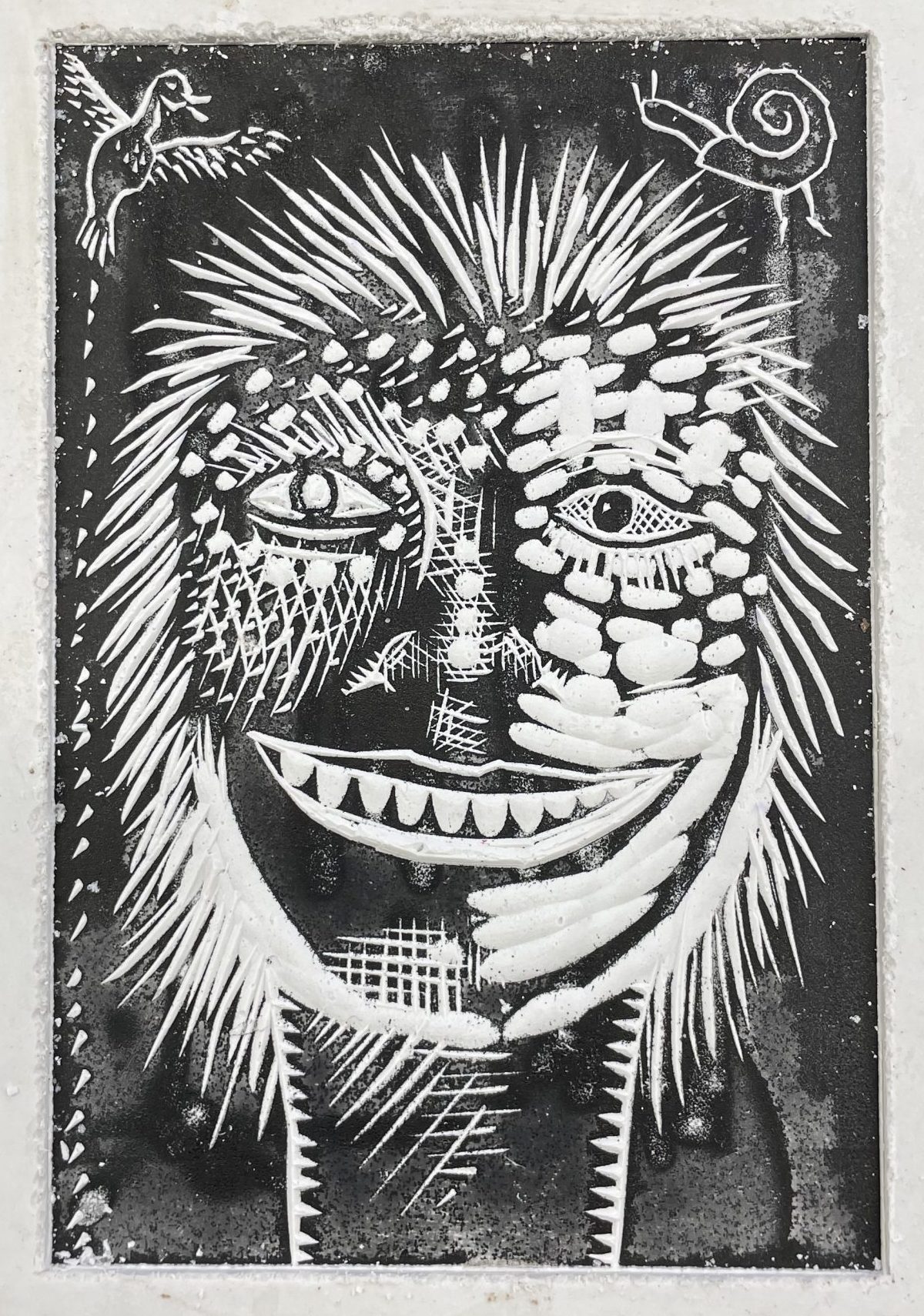
In this relief printing process, an image is carved or etched into a sheet of linoleum. Ink is applied to the lino using a roller; the cut-away areas do not pick up ink. Paper is placed down onto the image and either printed on a press or printed by hand.
TECHNIQUE
Linocut
In this relief printing process, an image is carved or etched into a sheet of linoleum. Ink is applied to the lino using a roller; the cut-away areas do not pick up ink. Paper is placed down onto the image and either printed on a press or printed by hand.
In this relief printing process, an image is carved or etched into a sheet of linoleum. Ink is applied to the lino using a roller; the cut-away areas do not pick up ink. Paper is placed down onto the image and either printed on a press or printed by hand.
More printmaking techniques


Lithography
An image is painted, drawn or stencilled onto a slab of limestone or a metal plate (often aluminium) with oily materials, including greasy crayons and pencils, special ink called tusche, and photochemical transfers.

Etching
Etching was originally invented as a method for adding decoration to armour during the Middle Ages. Artists began to use metal plates for printing in the 15th century, when Albrecht Durer made work on iron plates. Later artists such as Andrea Mantegna in Italy and Rembrandt in Holland went on to make etchings on copper.
More Features
All features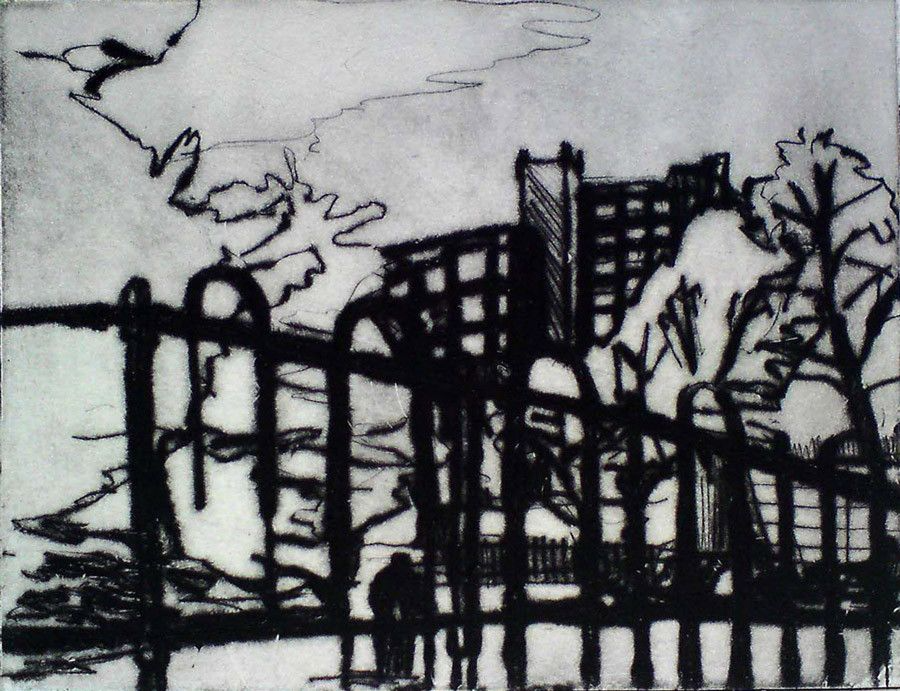
Etching
Etching was originally invented as a method for adding decoration to armour during the Middle Ages. Artists began to use metal plates for printing in the 15th century, when Albrecht Durer made work on iron plates. Later artists such as Andrea Mantegna in Italy and Rembrandt in Holland went on to make etchings on copper.
Collecting the Looking
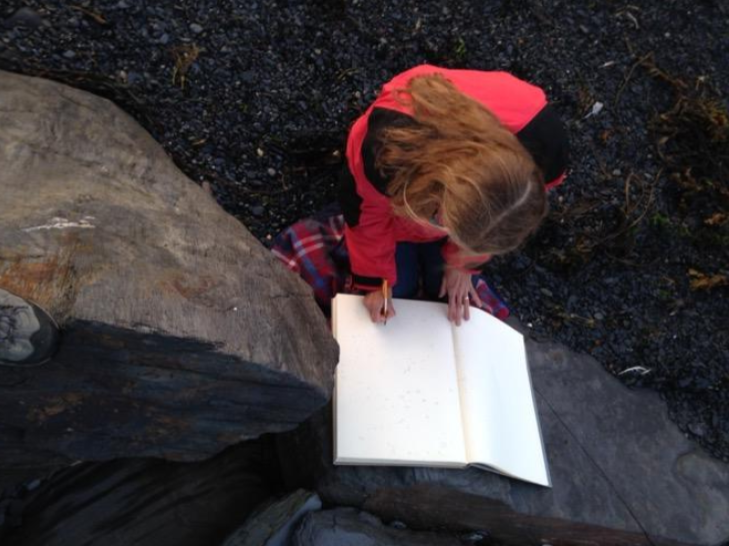
“I love drawing really quickly. I love drawing in really difficult situations. I love drawing in the dark. I like what happens when you can’t see everything or when it’s passed and you have to remember it rather than drawing what it actually looks like, so it’s about the experience of looking as much as what I’m looking at.”
We talk to Michelle Avison about building a resilient artistic practice over 30 years.