
FEATURE
Monotype
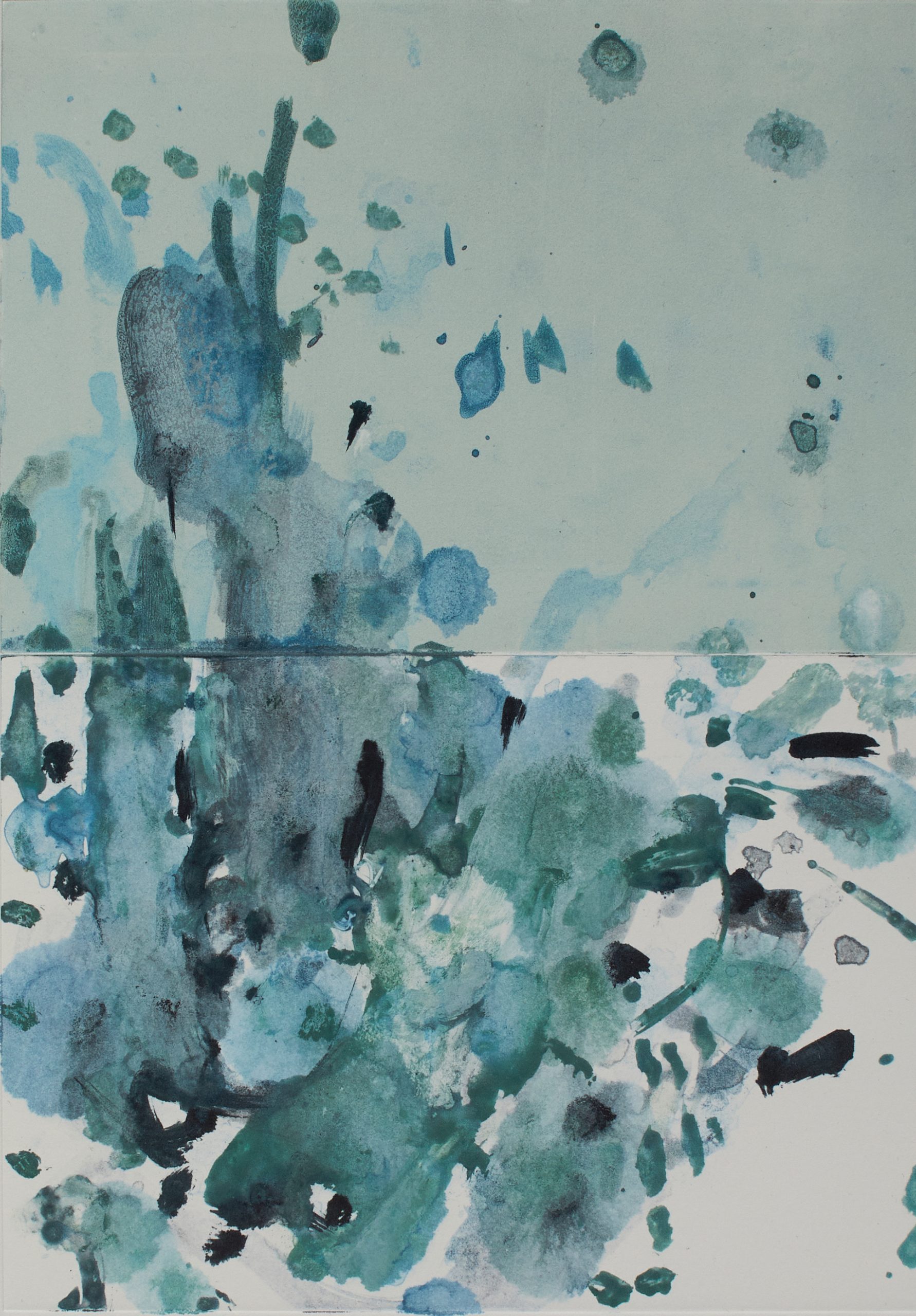
Monotype is a way of making a unique print that cannot be repeated. Using methods from painting and drawing, ink is applied to a surface, and marks can be added or taken away from the surface.
TECHNIQUE
Monotype
Monotype is a way of making a unique print that cannot be repeated. Using methods from painting and drawing, ink is applied to a surface, and marks can be added or taken away from the surface.
The passing of the inked plate through the press with dampened paper creates a kind of magic – a transformation of ink, colour and mark that cannot be created any other way.
Monotype is used more and more in its own right. Unlike more traditional printmaking methods only one print is made each time, however it is possible to build sequences of images with a relationship to each other and to allow one print to lead into the next. It is a brilliant medium for bringing printmaking together with drawing and painting, it can be fast and instinctive or planned and exact. It gives artists a unique exploratory tool for experimentation and development of contemporary ideas.
Monotype is attractive to artists as it is a low-impact method of printing, possible without the use of chemicals or expensive materials, and recycled materials can be easily incorporated into the process.
More printmaking techniques


Carborundum
Abrasive carborundum grit (silicon carbide) is mixed with acrylic medium or glue and painted onto a flat surface, such as plastic or metal.

Etching
Etching was originally invented as a method for adding decoration to armour during the Middle Ages. Artists began to use metal plates for printing in the 15th century, when Albrecht Durer made work on iron plates. Later artists such as Andrea Mantegna in Italy and Rembrandt in Holland went on to make etchings on copper.
More Features
All features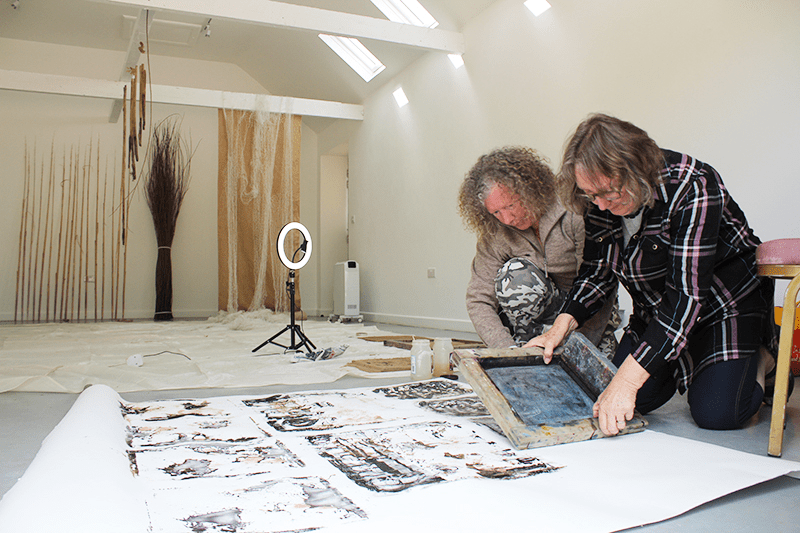
Artist talk: Helen Breach
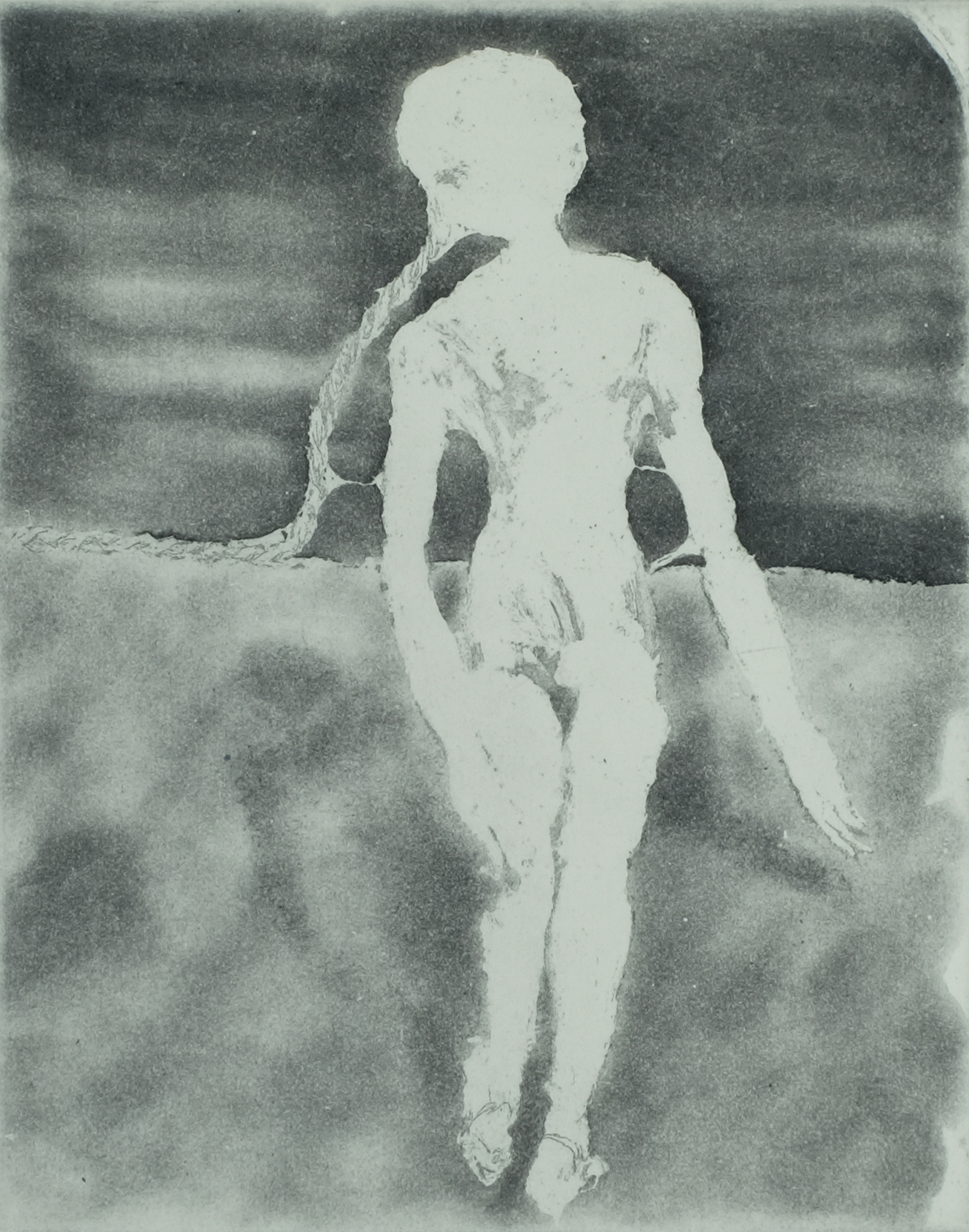
In this video presentation, Helen talks about the different ways in which she explores the world around her through drawing, painting and printmaking, including looking at dancers in rehearsal, the natural environment and portraiture.
On Siss / Phuss: Ziqi Xu in conversation with Livia Wang
“It’s all because I want to see myself, I want to see those unnoticed moments, how they pass by, what is really happening. So that makes the work very personal.”
